Electric vs Non-Electric Water Dispensers
Choosing the right water dispenser can make a big difference in your home or workplace. Whether you need convenient hydration for your family, employees, customers, or guests, today’s water dispensers offer a variety of features designed to fit different lifestyles and budgets.
One of the biggest decisions people face is choosing between an electric water dispenser and a non-electric water dispenser. Both options have advantages depending on how and where you plan to use them.
In this guide, we’ll compare electric vs non-electric water dispensers, explain the pros and cons of each type, and help you decide which option is best for your home or office water setup.
Why Water Dispensers Matter
Access to clean drinking water is essential for daily health, productivity, and convenience. Staying hydrated supports energy levels, concentration, and overall wellness. Since water plays such an important role in everyday life, choosing the right dispenser is more important than many people realize.
A quality water dispenser can encourage better hydration while reducing the need for single-use plastic bottles and improving convenience throughout the day.
What Is an Electric Water Dispenser?
An electric water dispenser uses electricity to cool, heat, or filter water. These units are commonly found in offices, kitchens, waiting rooms, gyms, and commercial spaces because they provide quick access to hot and cold water.
Many modern electric dispensers are designed with advanced features such as:
- Hot and cold water dispensing
- Built-in filtration systems
- Touchless dispensing options
- Child safety locks for hot water
- Energy-saving modes
- Bottom-load bottle systems
Benefits of Electric Water Dispensers
Instant Hot and Cold Water
One of the biggest advantages of electric water dispensers is convenience. Hot water is immediately available for tea, coffee, soup, or oatmeal, while chilled water is ready whenever you need a refreshing drink.
Better for Offices and High Usage
Electric dispensers are ideal for businesses and larger households because they can handle frequent daily use while providing consistent water temperatures.
Built-In Water Filtration
Some electric dispensers include filtration systems that improve water quality and taste. This can help remove impurities and provide cleaner drinking water throughout the day.
Energy Efficiency Compared to Repeated Boiling
Although electric water dispensers use electricity, they may still save energy compared to repeatedly boiling water on the stove or constantly running a kettle throughout the day.
Plumbed-In Options Available
Some electric dispensers can connect directly to a water supply, eliminating the need to frequently replace water bottles. This is especially useful in busy office environments.
Potential Drawbacks of Electric Water Dispensers
Electric water dispensers typically cost more upfront than non-electric models. They also require access to a power outlet and may need more maintenance depending on the model and features included.
Some units may produce a slight operating noise from cooling or heating systems, although newer dispensers are much quieter than older designs.
What Is a Non-Electric Water Dispenser?
A non-electric water dispenser works without electricity and relies on gravity or manual dispensing. These dispensers are often simple, portable, affordable, and easy to use.
Non-electric dispensers are popular for homes, vacation properties, outdoor activities, camping trips, and situations where portability is important.
Benefits of Non-Electric Water Dispensers
Portable and Easy to Move
Because non-electric dispensers do not require a power source, they can easily be moved from one location to another. This makes them ideal for travel, temporary setups, outdoor events, or camping.
Lower Cost
Non-electric dispensers are usually less expensive to purchase and operate. Since they do not use electricity, there are no additional energy costs.
Quiet Operation
Without cooling compressors or heating systems, non-electric dispensers operate silently.
Simple Maintenance
Many people find non-electric dispensers easier to clean and maintain because there are no electrical components involved. Regular cleaning is still important to keep the dispenser sanitary and performing properly.
You can review our tips on how to care for your water dispenser to keep your system clean and safe.
Environmentally Friendly
Because they do not consume electricity, non-electric water dispensers are often considered a more energy-conscious option.
Potential Drawbacks of Non-Electric Water Dispensers
The biggest limitation of non-electric dispensers is that they only provide room-temperature water unless separate cooling methods are used. They also lack advanced features such as hot water dispensing or built-in refrigeration.
For busy workplaces or homes that want instant hot and cold water, a non-electric model may feel more limited compared to electric alternatives.
Electric vs Non-Electric Water Dispensers: Which Is Better?
The best option depends on your specific needs.
- Choose an electric water dispenser if:
- You want hot and cold water instantly
- You need higher daily water usage capacity
- You want additional convenience features
- You are setting up a busy office or commercial space
- Choose a non-electric water dispenser if:
- You want portability
- You prefer a simpler setup
- You are working within a tighter budget
- You need a dispenser for outdoor or temporary use
Find the Right Water Dispenser for Your Needs
Whether you prefer the convenience of an electric water dispenser or the simplicity of a non-electric option, choosing the right setup can improve hydration and convenience at home or at work.
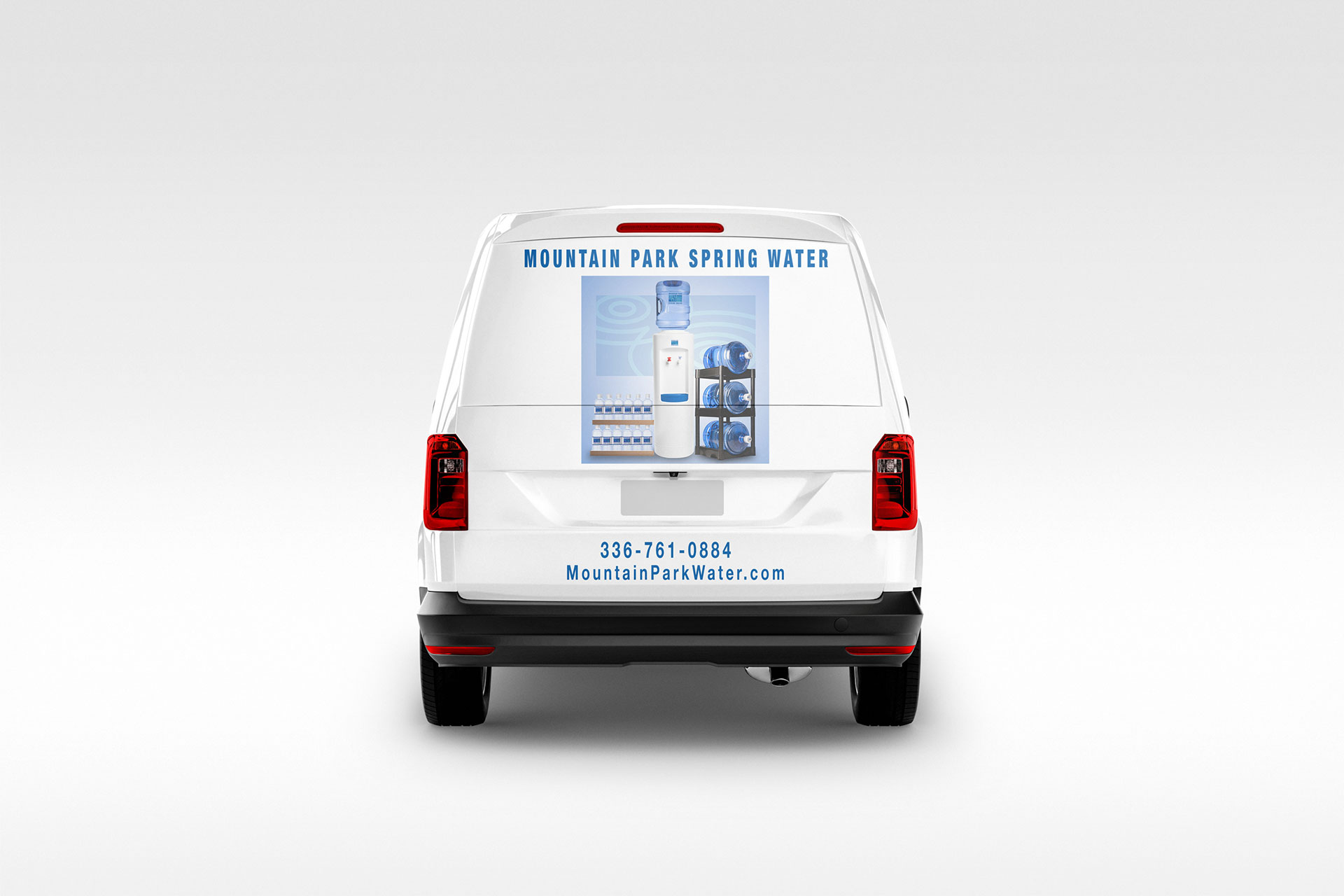
Mountain Park offers a variety of water dispensers alongside trusted spring water delivery service throughout North Carolina and Virginia. From office hydration solutions to convenient home delivery, we’re here to help you find the right fit.